
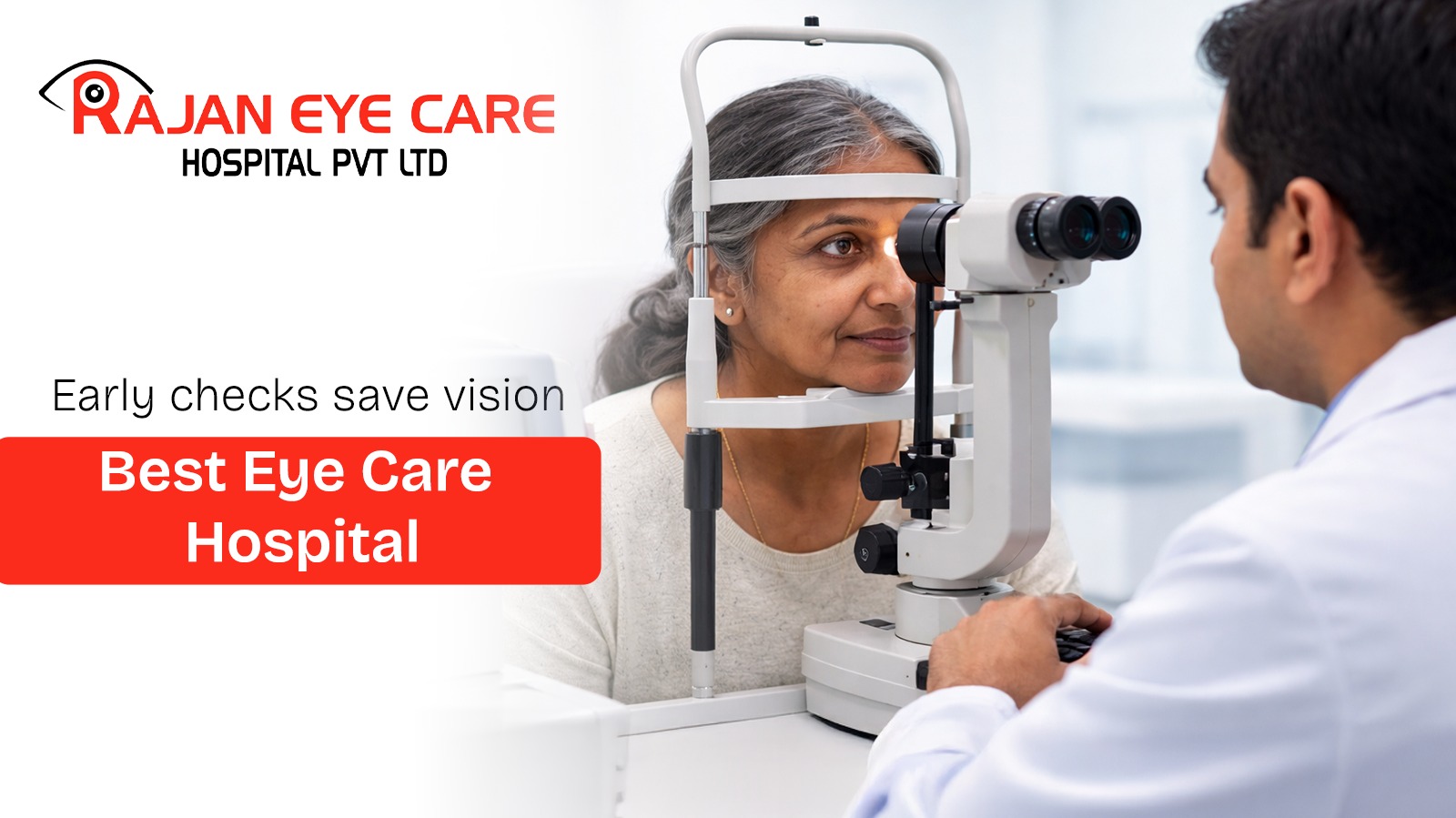
Glaucoma Screening: When Should You Get Your Eyes Checked?
Glaucoma is one of the leading causes of irreversible blindness worldwide, yet many people are unaware they have it until significant vision loss occurs. Known as the “silent thief of sight,” this condition gradually damages the optic nerve without obvious early symptoms. That’s why timely screening is essential. Visiting a trusted eye hospital in Chennai for regular eye examinations can help detect glaucoma in its early stages, allowing for effective management and prevention of further vision damage.
What Is Glaucoma and Why Is It Dangerous?
Glaucoma refers to a group of eye disorders that damage the optic nerve, often due to increased pressure inside the eye (intraocular pressure). The optic nerve is crucial for transmitting visual information to the brain and any damage to it is permanent.
Why it’s dangerous:
- Vision loss is gradual and painless, making it hard to detect early
- Damage is irreversible, unlike some other eye conditions
- It often affects peripheral (side) vision first, progressing to central vision
- If untreated, it can lead to complete blindness
Early diagnosis at an eye hospital in Chennai can help slow or stop the progression through medications, laser treatments or surgery.
Who Should Get Screened for Glaucoma?
While anyone can develop glaucoma, certain groups are at a significantly higher risk and should undergo regular screenings.
High-risk groups include:
- Individuals above 40 years of age
- People with a family history of glaucoma
- Patients with diabetes or high blood pressure
- Individuals with high intraocular pressure
- Long-term users of steroid medications
- People with thin corneas or previous eye injuries
If you fall into any of these categories, proactive screening is not optional - it’s essential for protecting your vision.
When Should You Start Glaucoma Screening?
The frequency of glaucoma screening depends on your age, health condition, and risk factors. Regular eye exams help in early detection and continuous monitoring.
Recommended screening timeline:
- Below 40 years: Every 2–4 years (if no risk factors)
- 40–60 years: Every 1–2 years
- Above 60 years: Annually
- High-risk individuals: More frequent check-ups as advised by an eye specialist
Routine visits to an eye hospital in Chennai ensure that even subtle changes in eye pressure or optic nerve health are detected early.
What Tests Are Done During Glaucoma Screening?
A comprehensive glaucoma screening involves multiple tests to evaluate eye pressure, optic nerve health and vision quality.
Common diagnostic tests include:
- Tonometry: Measures intraocular pressure
- Ophthalmoscopy: Examines the optic nerve for damage
- Perimetry (Visual Field Test): Detects blind spots in vision
- Pachymetry: Measures corneal thickness, which affects pressure readings
- Gonioscopy: Evaluates the drainage angle of the eye
These tests are quick, non-invasive and crucial for accurate diagnosis and monitoring.
What Are the Early Signs of Glaucoma?
Glaucoma is often asymptomatic in its early stages, especially in open-angle glaucoma. However, certain signs may indicate a problem:
Possible warning signs:
- Gradual loss of peripheral vision
- Difficulty seeing in low light conditions
- Blurred vision or frequent changes in prescription
- Seeing halos around lights
- Severe eye pain, redness and nausea (in acute angle-closure glaucoma)
Because symptoms appear late, regular screening is the only reliable way to detect glaucoma early.
FAQs
1. Is glaucoma completely curable?
No, glaucoma cannot be cured. However, early detection and treatment can effectively control its progression and prevent further vision loss.
2. How long does a glaucoma screening take?
A complete glaucoma evaluation typically takes about 30–60 minutes, depending on the number of tests required.
3. Is glaucoma screening painful?
No, most tests are non-invasive and painless, with minimal discomfort in some cases.
4. Can young people develop glaucoma?
Yes, although it is more common in older adults, glaucoma can occur in younger individuals, especially if they have risk factors.
5. What happens if glaucoma is left untreated?
Untreated glaucoma can lead to permanent vision loss and eventually blindness.
Conclusion
Glaucoma is a lifelong condition that requires early detection and continuous management. Since it often develops without symptoms, regular eye screenings are the only way to safeguard your vision. Whether you are at high risk or simply prioritizing preventive care, visiting a reliable eye hospital in Chennai for periodic check-ups can make all the difference. Early diagnosis, timely treatment and consistent monitoring are key to preserving your eyesight and maintaining a better quality of life.

 Call Now

