
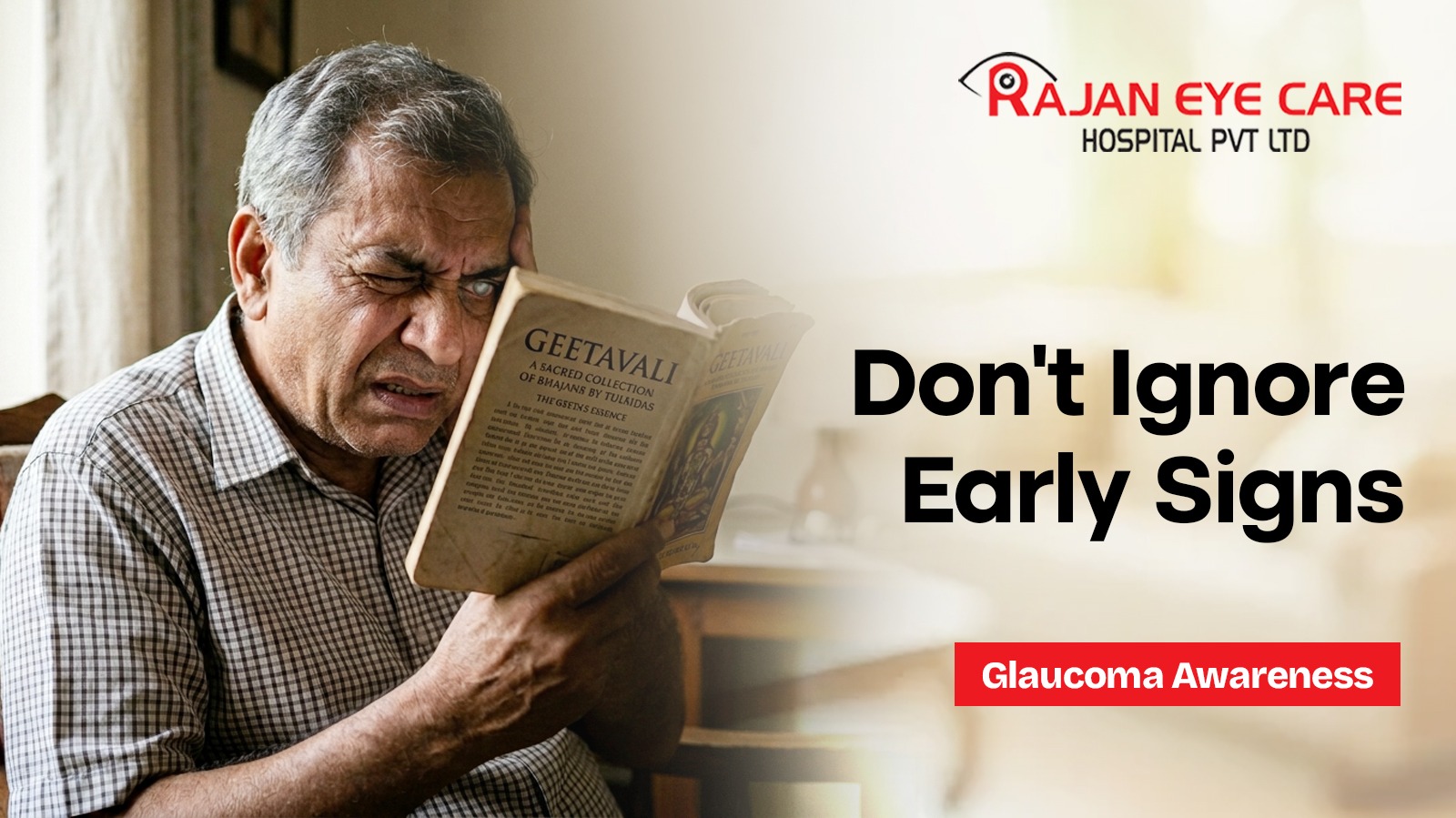
What Are the Early Warning Signs of Glaucoma You Should Not Ignore?
Glaucoma is often referred to as the “silent thief of sight” because it slowly damages the optic nerve without causing noticeable symptoms in its early stages. This progressive eye condition can lead to irreversible vision loss if not detected on time. Many people remain unaware until their peripheral vision is significantly affected. That’s why regular eye screenings at an Eye hospital in T nagar are essential for early detection and prevention. Understanding the subtle warning signs can help you take timely action and protect your vision for the long term.
What Is Glaucoma and Why Is Early Detection Important?
Glaucoma is a group of eye diseases that damage the optic nerve, which is crucial for transmitting visual information from the eye to the brain. This damage is commonly caused by increased intraocular pressure (IOP), although it can also occur with normal pressure levels.
Why early detection matters:
- Vision loss from glaucoma is permanent and irreversible
- Early stages are often asymptomatic, making it hard to detect without tests
- Timely treatment can slow progression and preserve remaining vision
- Regular monitoring helps prevent advanced complications and blindness
Routine check-ups at an Eye hospital in T nagar can identify glaucoma before it starts affecting daily life.
What Are the Common Early Warning Signs of Glaucoma?
In the early stages, glaucoma symptoms are often mild or go unnoticed. However, paying attention to these subtle signs can make a difference:
- Gradual loss of peripheral (side) vision – Often the first and most overlooked symptom
- Difficulty seeing in dim lighting – Trouble adjusting when moving from bright to dark environments
- Blurred or patchy vision – Especially during reading or focusing on objects
- Halos around lights – Seeing rainbow-colored circles, especially at night
- Frequent mild headaches or eye strain – Due to increased eye pressure
- Reduced contrast sensitivity – Difficulty distinguishing objects from their background
These signs may develop slowly, which is why many patients ignore them until significant damage has occurred.
Are There Different Symptoms for Different Types of Glaucoma?
Yes, glaucoma presents differently depending on its type and understanding these variations is crucial:
1. Open-Angle Glaucoma (Most Common):
- Develops slowly and painlessly
- No noticeable symptoms in early stages
- Gradual narrowing of peripheral vision (tunnel vision in advanced stages)
2. Angle-Closure Glaucoma (Acute Condition):
- Sudden and severe symptoms
- Intense eye pain and redness
- Blurred vision with halos
- Nausea and vomiting
- Sudden vision loss
⚠️ This is a medical emergency and requires immediate attention at an Eye hospital in T nagar to prevent permanent blindness.
Who Is at Higher Risk of Developing Glaucoma?
While anyone can develop glaucoma, certain groups are more vulnerable:
- Individuals above 40 years of age
- Family history of glaucoma
- People with diabetes or hypertension
- High intraocular pressure (IOP)
- Long-term use of corticosteroid medications
- History of eye injuries or surgeries
- People with thin corneas or high myopia (nearsightedness)
If you fall into any of these categories, proactive screening becomes even more important.
How Can You Detect Glaucoma Early?
Since early symptoms are minimal, comprehensive eye exams are the only reliable way to detect glaucoma:
Key diagnostic tests include:
- Tonometry – Measures intraocular pressure
- Ophthalmoscopy – Examines the optic nerve for damage
- Visual field test – Detects loss of peripheral vision
- Pachymetry – Measures corneal thickness
- Gonioscopy – Evaluates the drainage angle of the eye
Regular visits to an Eye hospital in T nagar ensure these tests are conducted accurately, allowing early diagnosis and timely intervention.
FAQs
1. Can glaucoma be cured permanently?
No, glaucoma cannot be completely cured. However, with early detection and proper treatment, its progression can be controlled effectively.
2. Is glaucoma always linked to high eye pressure?
Not necessarily. Some individuals develop normal-tension glaucoma, where optic nerve damage occurs despite normal eye pressure levels.
3. How frequently should I undergo glaucoma screening?
People above 40 or those at risk should have an eye exam every 1–2 years or as advised by an eye specialist.
4. What treatments are available for glaucoma?
Treatment options include:
Prescription eye drops
Oral medications
Laser therapy
Surgical procedures in advanced cases
5. Can lifestyle changes help manage glaucoma?
Yes, healthy habits such as regular exercise, controlling blood sugar and blood pressure and avoiding smoking can support overall eye health.
Conclusion
Glaucoma is a serious yet manageable eye condition when detected early. Because it often develops without noticeable symptoms, regular eye examinations are your best defense against vision loss. Recognizing subtle warning signs and seeking timely care can make all the difference. Prioritize your eye health by scheduling routine check-ups at a trusted Eye hospital in T nagar and take a proactive step toward preserving your vision for years to come.

 Call Now

